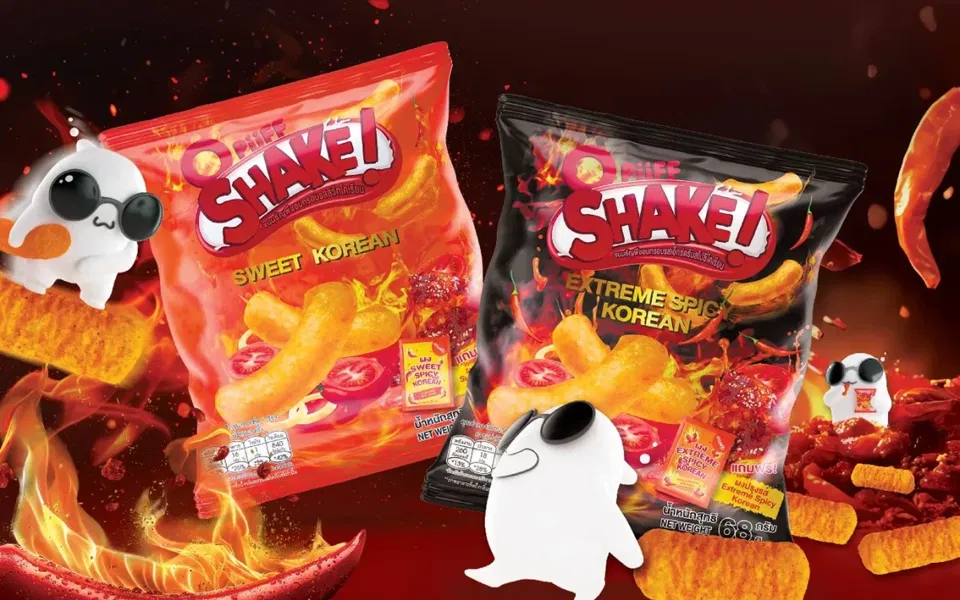
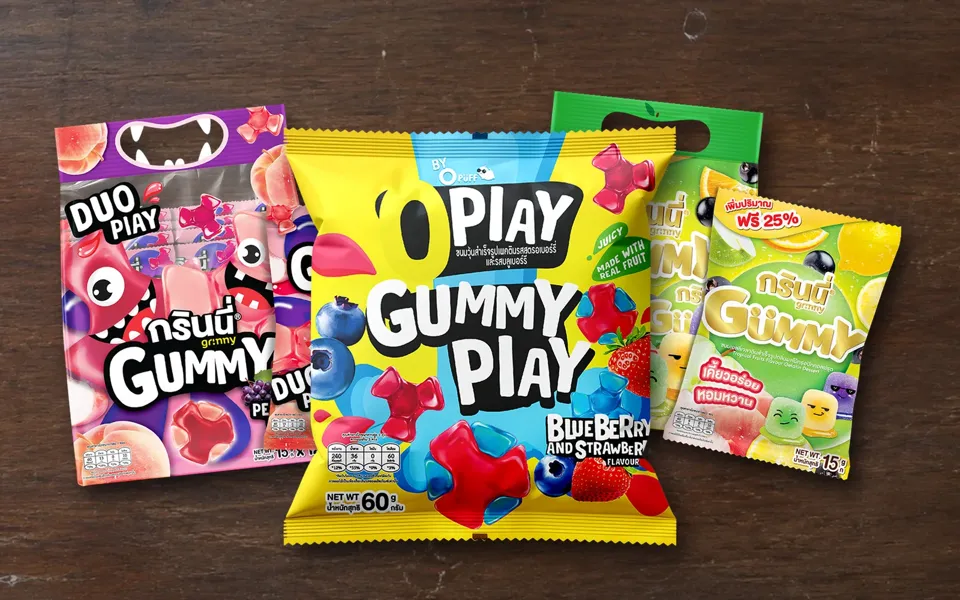
Global Snack Trends
Thai Flavors the World Loves: Tom Yum, Thai Tea, Durian, Mango and Export Opportunities
Popular Thai flavors abroad — tom yum, Thai tea, durian, mango sticky rice — and how to turn them into snacks for export markets.
Key takeaways
- Thai flavors work when the story is clear and intensity fits the market
- Pack names should help foreigners imagine the taste
- Shrimp, milk or nut ingredients need correct allergen handling and documents
Why Thai flavors sell worldwide
Thai food is known globally, tourists buy Thai snacks as souvenirs, and international shoppers love trying new flavors. That makes Thai taste a clear selling point for export snacks.
Popular Thai flavors
Flavors that tend to perform well:
- Tom yum: sour, spicy and herbal
- Thai tea and green tea: creamy and sweet, great for filled snacks and puffs
- Mango and mango sticky rice
- Durian: niche but loyal, especially in China and wider Asia
- Seaweed, barbecue and Thai-style spicy
Adapting flavors to each market
Spice and sweetness preferences differ by country — European buyers may want milder heat, while East Asian markets often favor gentle sweetness. Taste-testing with your target audience before production reduces risk.
What builds each flavor
Breaking a flavor into parts gives developers a far better brief than a name.
| Flavor | Key notes | Formats to try |
|---|---|---|
| Tom yum | Sour, spicy, lemongrass, kaffir lime | Chips, puffs, crackers |
| Thai tea | Aromatic tea, milk, creamy sweet | Filled snacks, biscuits, cereal |
| Mango sticky rice | Ripe mango, coconut, rice | Filled snacks, gummies, puffs |
| Durian | Distinct aroma, rich sweet | Wafers, filled snacks |
| Larb | Lime, chili, toasted rice, mint | Chips, puffs |
Naming flavors for export
A transliterated Thai name alone may not convey taste. Pair it with a short descriptor and ingredient imagery, such as “Tom Yum – Spicy Lemongrass & Lime” or “Larb – Chili Lime & Toasted Rice”.
Imagery must not mislead. If using artificial flavoring, check destination rules for wording and pictures.
Ingredient watch-outs
Thai seasonings often contain several sub-ingredients.
- Shrimp, fish and seafood sauces are allergens and rule out vegetarian claims
- Seasoning powders may hide milk, soy or wheat
- Permitted colors and additives differ by country
- Animal-derived ingredients may add import conditions
Testing flavors abroad
Prepare two or three intensity levels, let importers and sample consumers taste them, and record liking, intensity and purchase intent by country. Do not rely only on Thai expatriates to represent local shoppers.
An example from Grinny
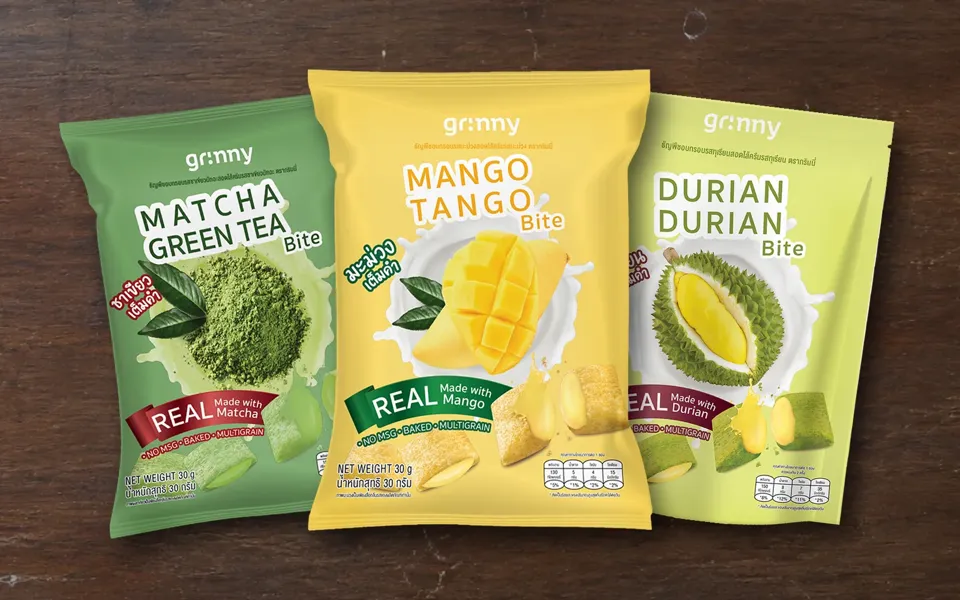
Grinny, Termnature's own snack brand, includes flavors such as Thai tea, green tea, mango, durian and Hokkaido milk — showing how Asian flavors can work in Thailand and abroad.
Frequently asked questions
Which snack formats suit Thai flavors?
Puffs, chips, filled snacks and gummies — depending on whether you want an outer seasoning or an inner filling.
Can you develop a flavor exclusive to my brand?
Yes. A factory with R&D can develop flavor profiles around your brief and target market.
How many flavors should I export first?
Fewer is easier to manage. One approach is one familiar flavor plus one or two distinctly Thai ones, then adjust using importer data.