Kids' Snacks
Snacks for Little Ones: Trends, Safety Watch-outs and Building Parent Trust
What parents look for in kids' snacks — melt-in-the-mouth puffs, less sugar and salt, short ingredient lists — plus texture and labeling watch-outs for baby snack brands.
Key takeaways
- Safety comes before flavor and design
- State the age group; it affects texture, recipe and law
- Communicate honestly without exaggerated development or health claims
What parents look for
Today's parents read labels closely. They want short ingredient lists, moderate sweetness and salt, and products that fit their child's age. Trust is everything in this category.
Age-appropriate texture
Snacks for young children usually need to dissolve easily, fit small hands and allow self-feeding — which is why rice and grain puffs are popular. Texture testing is an essential safety step.
Ingredients and flavor
Use familiar ingredients such as rice, corn, vegetables and fruit, and avoid strong seasoning. Clear allergen declarations — milk, soy, wheat — matter greatly to parents.
Specific requirements
Some infant and young-child foods have specific legal requirements on composition, labeling and claims. Define the target age early and check applicable rules with your factory and regulators.
Briefs by age group
A product development framework, not medical advice. Children differ in readiness; parents should consult a doctor.
| Group | Special considerations |
|---|---|
| Early self-feeders | Easy melt, easy grip, specific young-child food law |
| Preschoolers | Piece size, hardness, adult supervision |
| School age | Sugar, sodium, pack size, responsible marketing |
Choking risk
Shape, size and hardness directly affect safety. Hard round, sticky or lodging-prone pieces such as whole nuts and chewy sweets need great caution for young children. Test how pieces dissolve and break, and advise seated eating with adult supervision.
Recipe and quality checklist
Use it when briefing your factory.
- Short, explainable ingredient list
- Set sugar and sodium targets first
- Control contaminants such as heavy metals in rice and mycotoxins in grains
- Manage allergens and cross-contact
- Use only additives permitted for the age group
- Packs easy for adults to open that keep crispness
Earning parent trust
Parents trust verifiable information. State main ingredients, intended age, storage and contact details. Avoid claims like “boosts intelligence” or “strengthens immunity” without legal basis, and check children's food advertising limits.
Termnature and kids' snacks
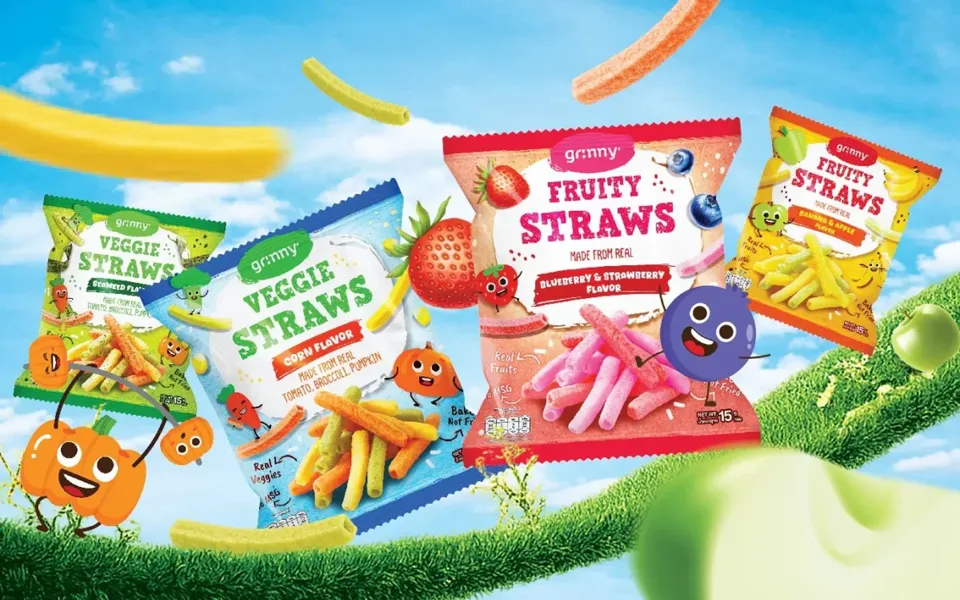
Termnature produces kids' snacks under its Grinny brand and helps clients develop shapes, textures and packaging for children's snack products.
Frequently asked questions
Which format is best to start with?
Melt-in-the-mouth rice or grain puffs are popular and familiar to parents.
Should the label state an age range?
Yes, state it clearly and check the rules that apply to that age group.
Must kids' snacks contain no salt or sugar?
Rules depend on category and age. A good approach is to add minimal or none for young children, then check legal criteria and nutrition guidance in your market.