Before You Produce
Snack Packaging That Sells: Choosing Packs That Look Great, Stay Crisp and Fit Your Channel
A guide to snack packaging — pillow packs, stand-up pouches, boxes, portion packs, nitrogen flushing for shelf life, and sustainable packaging trends.
Key takeaways
- Packaging must protect, communicate and control cost at once
- Get packing-line specs before designing
- Test shelf life with the actual material
Packaging is your silent salesperson
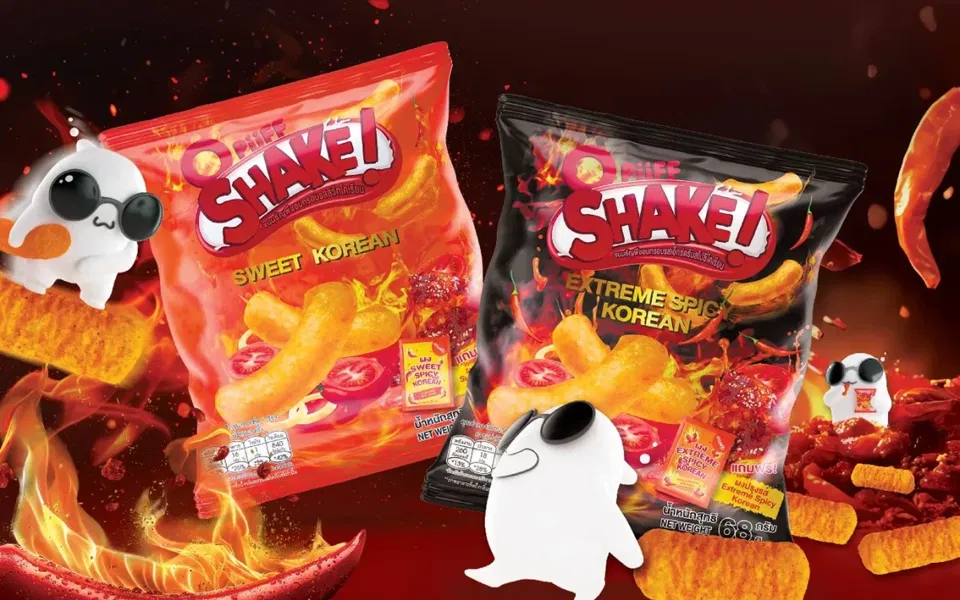
Shoppers decide within seconds at the shelf. Packaging must communicate flavor, benefits and brand identity instantly — while keeping the snack crisp and fresh until it is eaten.
Popular pack formats
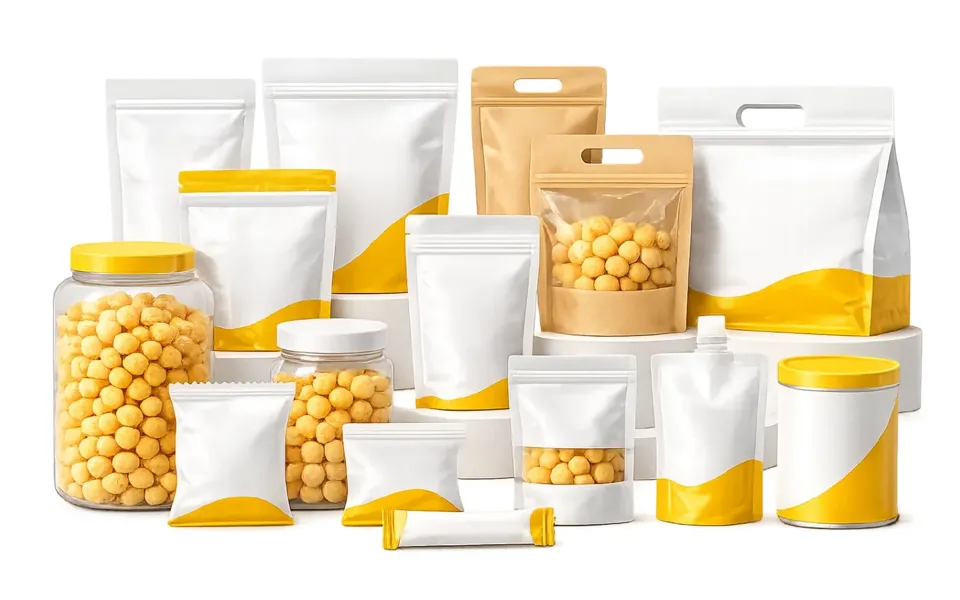
Choose based on channel and usage:
- Pillow packs: cost-effective and common in convenience stores
- Stand-up zipper pouches: ideal for multi-serve snacks
- Boxes and jars: suited to gifts and cereal
- Multipacks of small bags: great for families and portion control
Shelf life and crispness
Multi-layer films that block moisture and oxygen, plus nitrogen flushing, keep snacks crisp and slow oil oxidation. Choose materials with your factory so they suit the packing line and the recipe.
Sustainable packaging
Buyers in many countries now value recyclable packs or less plastic. Mono-material films are a promising option, but must be tested for adequate product protection.
The enemies of crispness
Know the causes to choose materials well.
| Factor | Effect | Protection |
|---|---|---|
| Moisture | Soft, sticky, clumping | Moisture barrier and sound seals |
| Oxygen | Rancidity, aroma change | Oxygen barrier, nitrogen flush |
| Light | Faster oxidation, fading | Opaque or metallized layer |
| Impact | Breakage | Gas volume, cartons and layout |
| Heat | Melting cream or chocolate | Controlled storage and transport |
Common film materials
Snack pouches often use multiple layers: an outer print layer, a barrier layer and an inner sealant. Common names include BOPP, PET, metallized films such as MCPP, and PE.
Performance depends on thickness and structure. Ask film suppliers for water vapor (WVTR) and oxygen (OTR) transmission rates to compare.
From design to print
Follow the order to avoid remaking plates.
- Get the dieline and no-print zones
- Confirm net weight and size by actual filling
- Place mandatory text before decoration
- Check spelling, barcode, allergens and registration number
- Request color proofs on similar material
- Approve in writing
Design for shelf and screen
At the shelf, shoppers need to read product, flavor and brand from a distance. Online, images appear small on phones, so keep flavor names and product visuals large and high-contrast. For ranges, keep one layout and change the main color.
For online sales, test parcel packing to check for burst bags and broken snacks.
Complete, compliant labels
Beyond design, labels must include legally required information such as product name, registration number, ingredients, allergens, date marking and nutrition or GDA labels where required. Have the factory review artwork before printing.
Frequently asked questions
Why are snack bags puffed with air?
Usually nitrogen is added to cushion the snack and slow rancidity, keeping it crisp longer.
Can I design my own packaging?
Yes, but get pack dimensions and packing-line specs from the factory before you start designing.
Are multilayer pouches recyclable?
Laminates of different materials are usually hard to recycle. Mono-material structures help, but actual recycling depends on local collection systems, so be careful with environmental claims.