Snack OEM
What Is Snack OEM Manufacturing? A Guide to Building Your Own Snack Brand
How to start your own snack brand: OEM vs ODM, the private-label manufacturing process, MOQ, cost drivers, and what to prepare before talking to a snack factory.
Key takeaways
- OEM means manufacturing under your brand; ODM adds factory-led formula development
- Real cost includes packaging, documents, logistics and channel fees — not just production
- Agree recipe ownership, quality criteria and claims handling in writing
OEM vs ODM
In food, OEM (Original Equipment Manufacturer) means hiring a factory to produce products under your brand. ODM means the factory also designs and develops the formula. In practice, many snack factories offer both — from existing recipes to fully new development.
Why brands use OEM snack manufacturing
Building your own factory requires capital, machinery, staff and licenses. Outsourcing lets a brand focus on marketing and sales.
- No investment in machinery or facilities
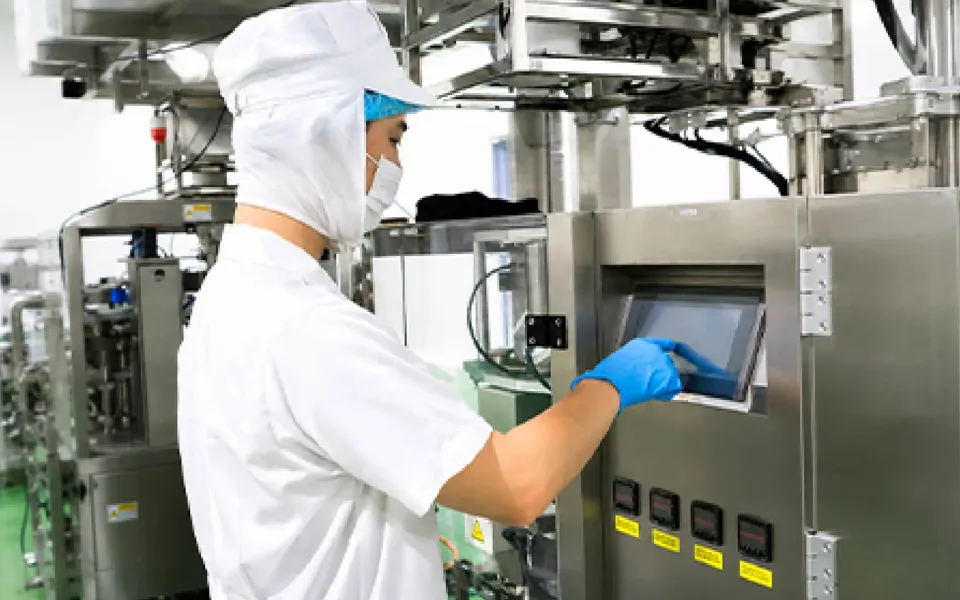
- Use the factory's existing standards such as GMP, HACCP and Halal
- Access to R&D teams and formulation experience
- Scale production as sales grow
The OEM process step by step
A typical project runs like this:
- Brief: target customer, market, channel and price point
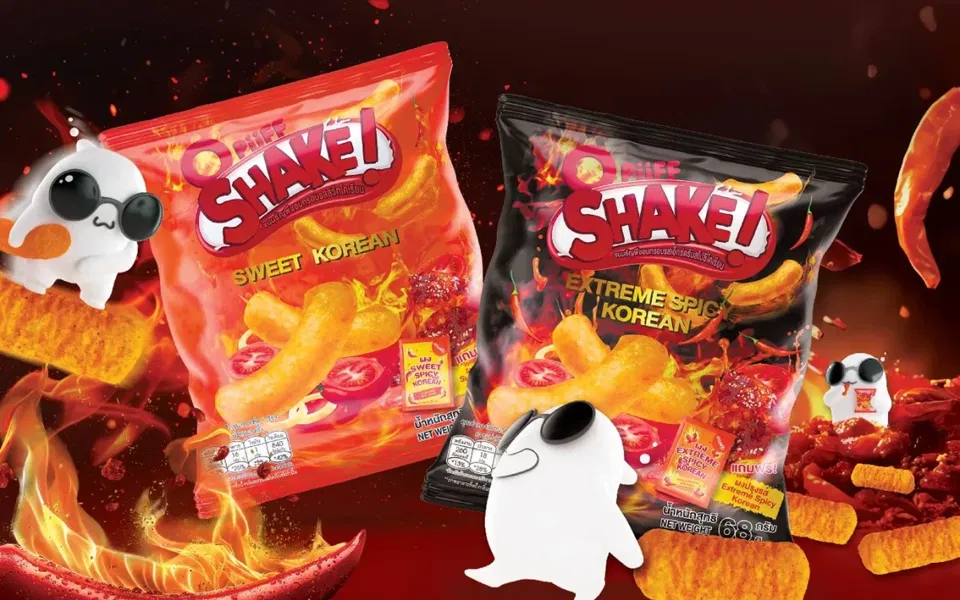
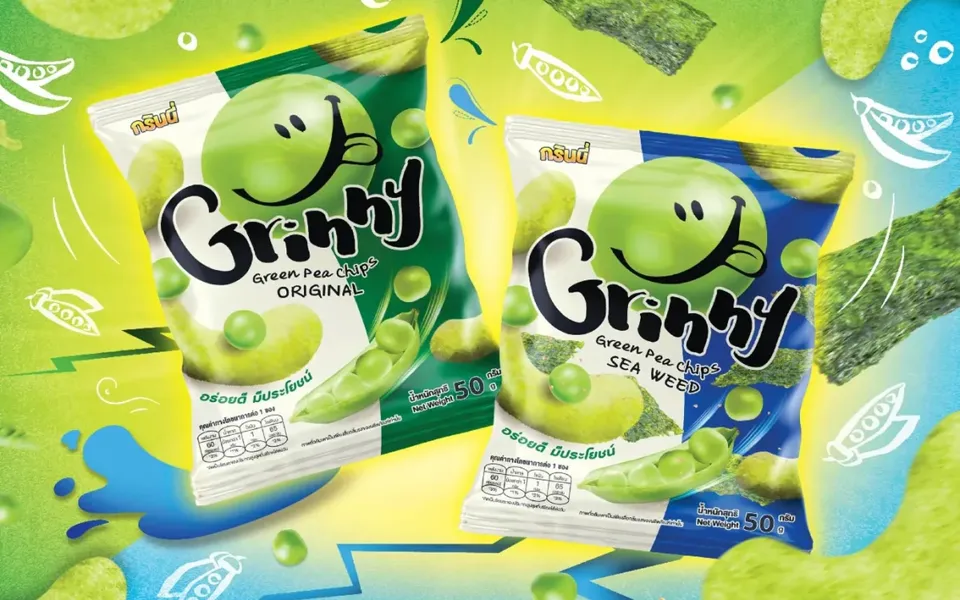
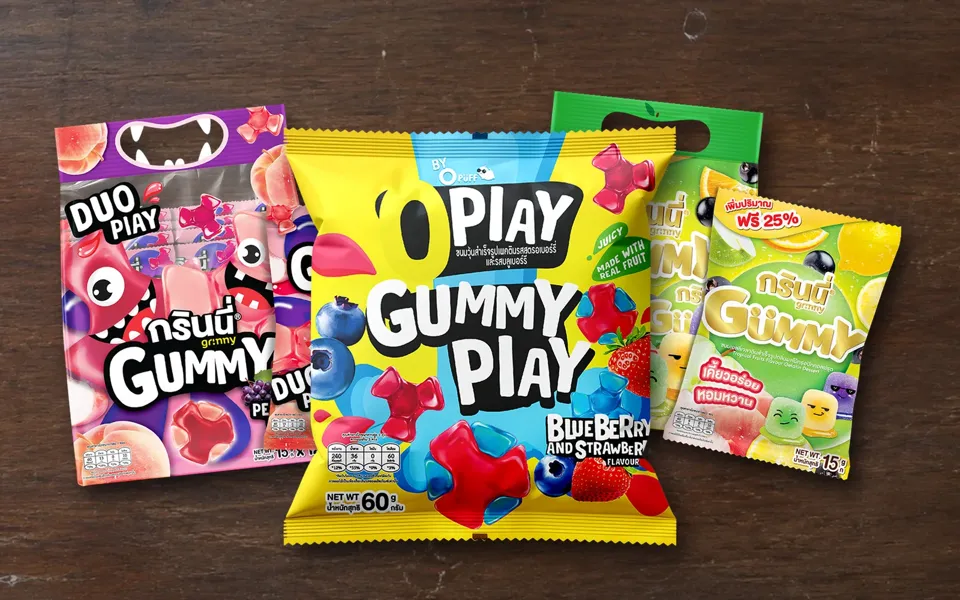
- Choose a format: puffs, chips, filled snacks, cereal, gummies
- Develop the formula and samples to taste and refine
- Design packaging and labels
- Apply for required approvals such as Thai FDA registration
- Mass production and delivery
What drives MOQ and cost
MOQ (minimum order quantity) depends on product type, machinery and packaging — printed film often has its own printer minimum. Unit cost falls as volume rises, so ask the factory early to plan your budget.
Comparing manufacturing models
Choose according to budget, timeline and how different you need to be.
| Model | Best for | Pros | Cons |
|---|---|---|---|
| Existing factory recipe | New brands, market tests | Fast, low development cost | Less differentiation |
| Adapted base recipe | A signature flavor | Balances time and uniqueness | Several sample rounds |
| New development | Clear concept and budget | Highly distinctive | More time and cost |
Count every cost
Many brands calculate only the production price per pack and find little margin later. Itemize the following:
- Development and sampling fees, if any
- Unit production: ingredients, labor and processing
- Packaging: film or pouches, boxes, cartons and printing plates
- Nutrition analysis, documentation and approvals
- Freight, storage, damaged and expired goods
- Retailer margin, platform fees and marketing
A pricing example (hypothetical numbers)
Assume a retail price of THB 25 per pack. These figures only illustrate the method and are not any factory's prices.
| Item | THB per pack |
|---|---|
| Retail price | 25.00 |
| Less 35% channel margin | -8.75 |
| Less production incl. packaging | -9.00 |
| Less freight, documents and waste estimate | -1.75 |
| Left before marketing and tax | 5.50 |
Questions to ask a factory
The answers let you compare manufacturers fairly.
- Which standards do you hold, and does their scope cover this product type?
- What is the MOQ per flavor and per pack size?
- Sample fees, number of revision rounds and expected timing?
- Who owns the recipe and artwork? Is there an NDA?
- How is shelf life tested and set?
- Payment terms and lead times for first and repeat orders?
- What happens if production differs from the approved sample?
Common new-brand mistakes
All are avoidable with early planning.
- Finalizing pack artwork before knowing packing-line sizes
- Ordering too many flavors in the first run
- Setting retail price before knowing channel margins
- Printing claims without checking criteria
- Having no sales plan before goods arrive
What to prepare before contacting a factory
The clearer the brief, the faster and more accurate the quote.
- Reference products you like or competitors
- Target retail price
- Pack size and expected order volume
- Target market (domestic or export)
- Special requirements such as halal or gluten-free
Frequently asked questions
Can I start without any food experience?
Yes. A factory with a product development team can guide you through format, formula and packaging choices.
Who owns the recipe?
It depends on the agreement between brand and factory. Define ownership and confidentiality clearly in the contract.
What does Termnature manufacture?
Puffs, chips, cream-filled snacks, breakfast cereal, baby snacks, gummies, biscuits and waffles. Contact the OEM team for details.
What starting budget do I need?
There is no single figure. It depends on format, MOQ, packaging and development scope. Request an itemized quote and reserve money for marketing and the next production run.